Why select Hydraulic Seals
Hydraulic seals keep pressurised fluid where it needs to be, converting hydraulic energy into controlled linear motion. They are typically flexible, non-metallic elements installed in grooves or combined with secondary rings to form a complete sealing assembly.
Materials such as polyurethane, PTFE and reinforced elastomers are chosen based on media compatibility, chemical exposure, pressure and temperature. Selecting the right material ensures the seal flexes without extruding or degrading in service.
- Controls reciprocating fluid power in cylinders, presses and moulding machines.
- Handles both hydraulic and pneumatic applications with tailored compounds.
- Available as single components or complete service kits with wear bands and wipers.
Dynamic vs static sealing
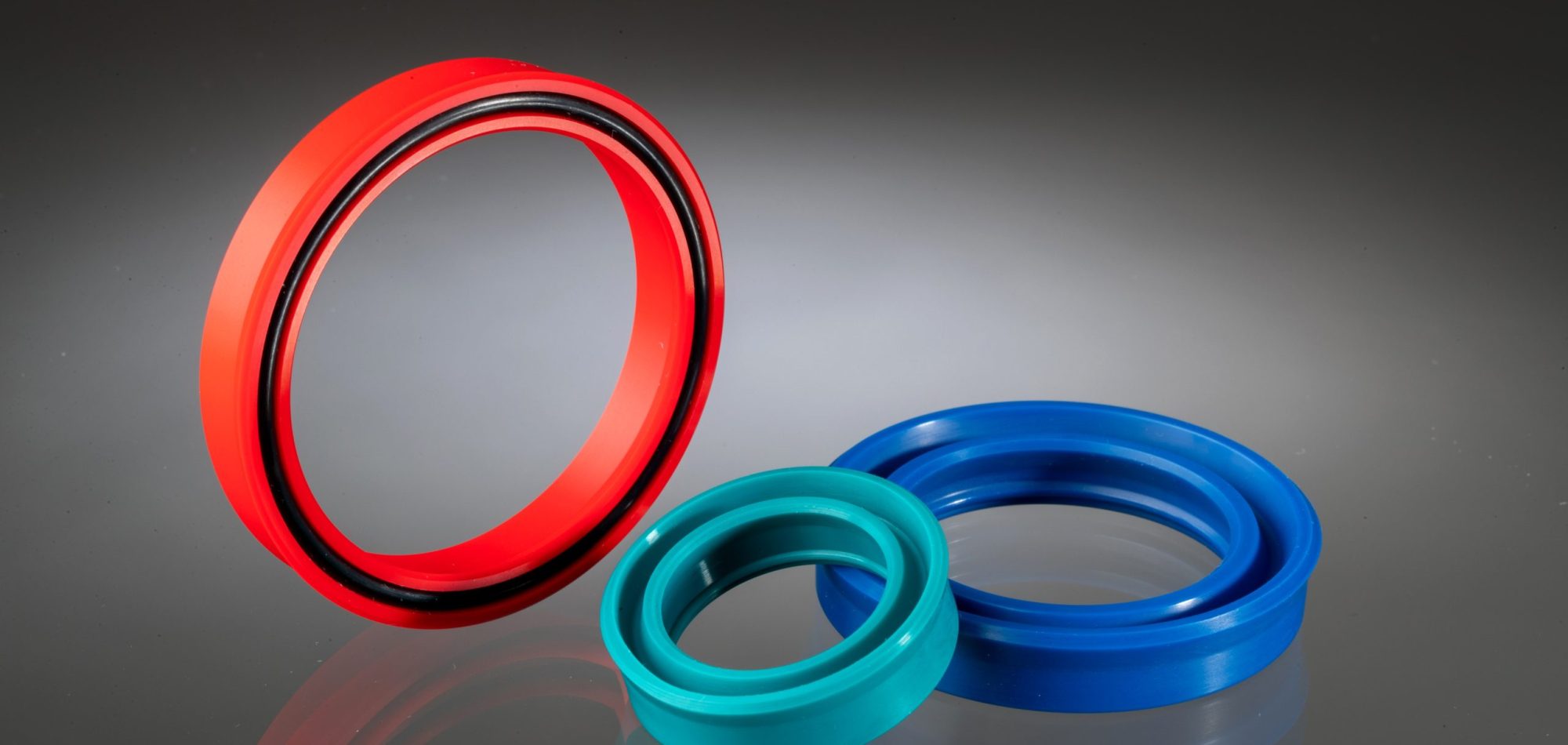
Dynamic hydraulic seals manage movement. Within a cylinder they are split into piston seals, which retain pressure on the piston side, and rod seals, which contain fluid as the rod reciprocates. These seals must manage friction, extrusion and heat build-up.
Static hydraulic seals sit in a groove and do not move. They seal two rigid surfaces together, similar to a gasket, to prevent leakage within manifolds or housings.
Eastern Seals capability
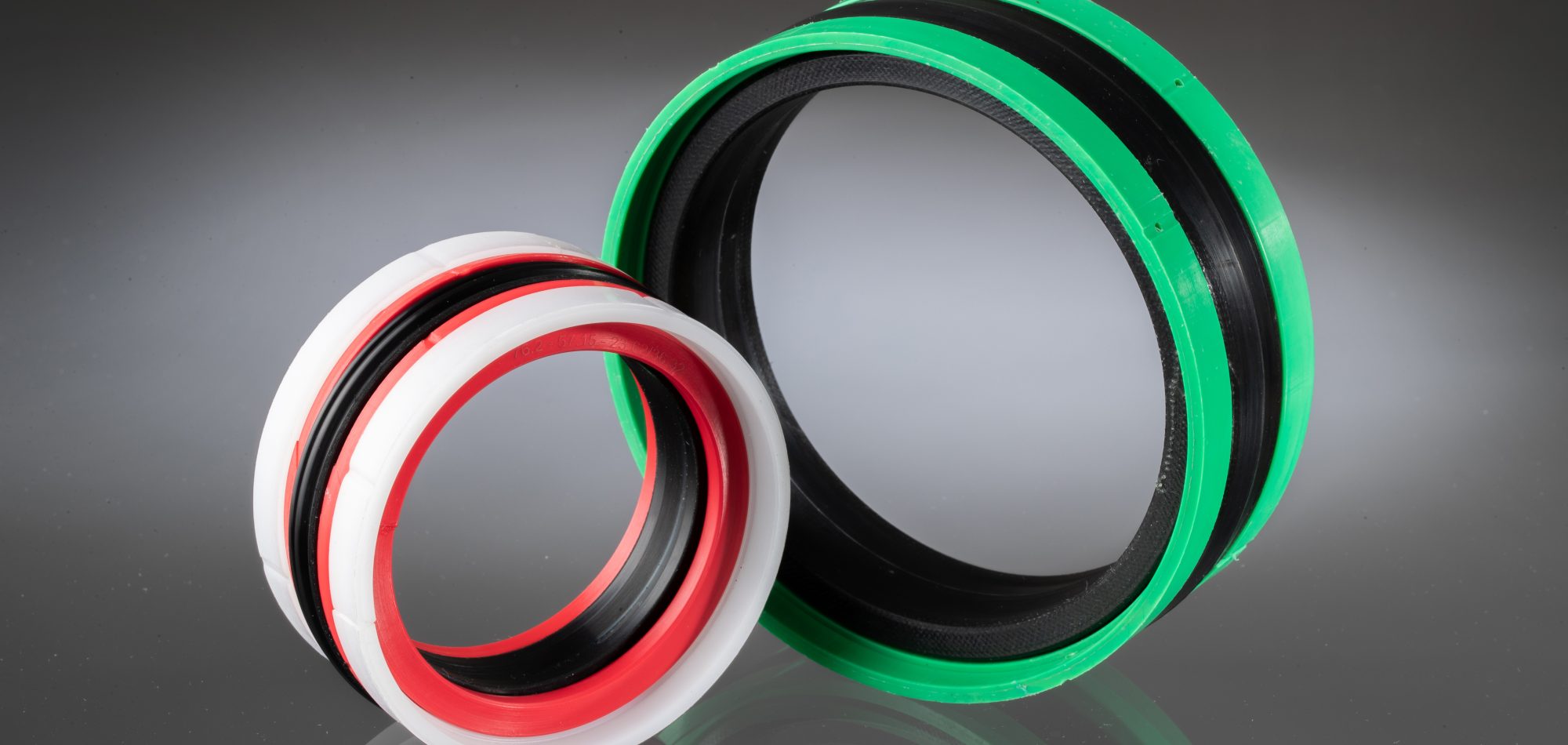
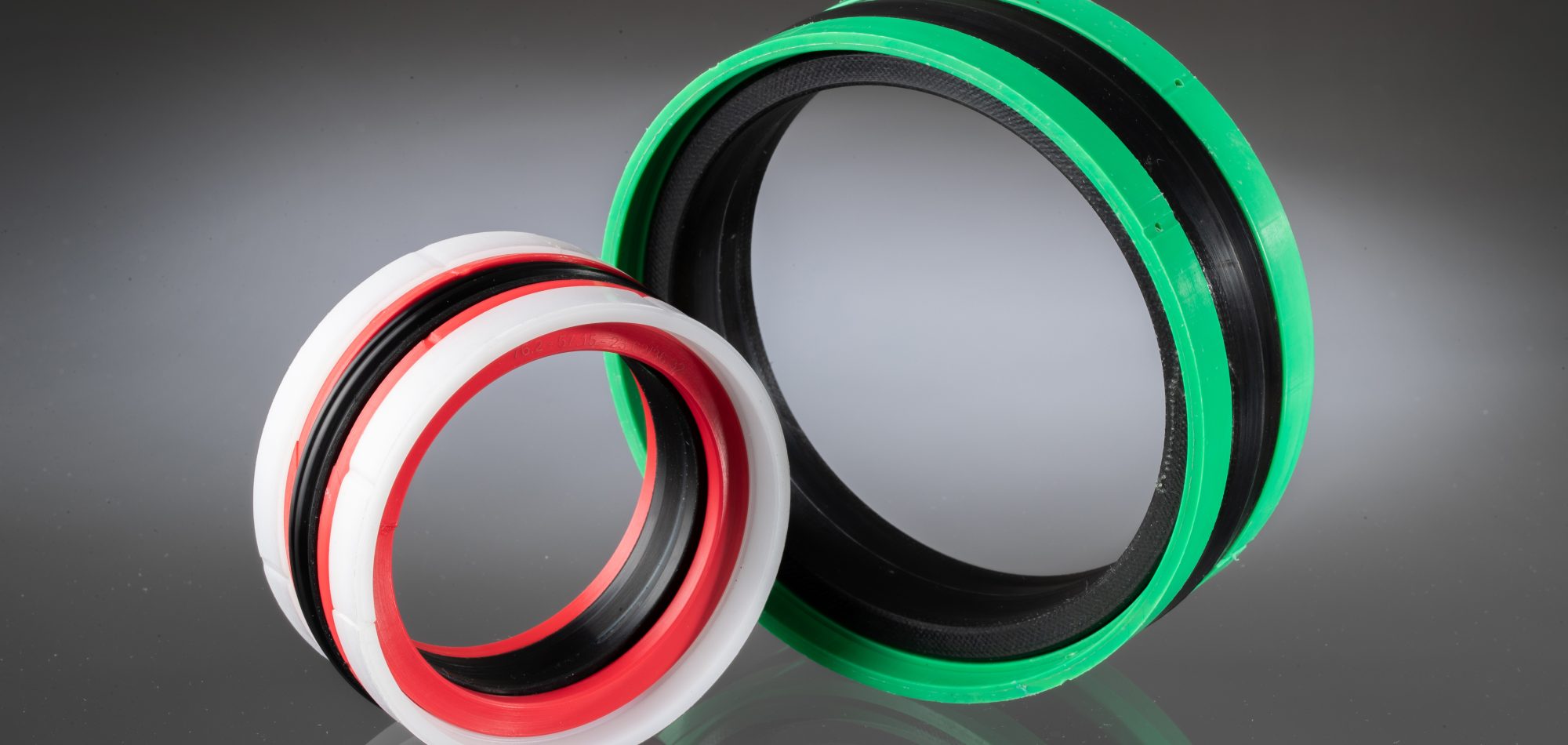
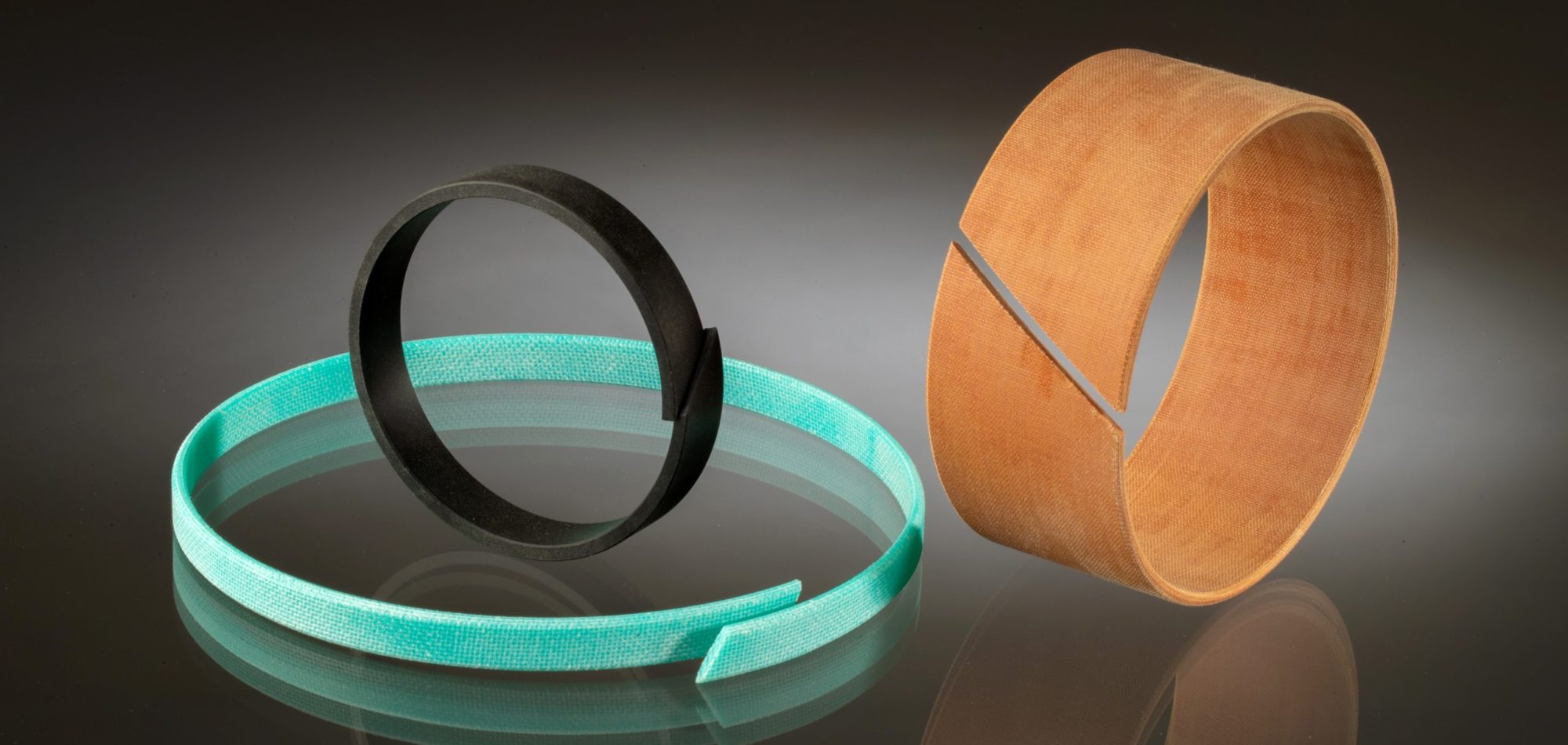
We cover single and double-acting cylinders, compact composite piston seals, symmetrical profiles, independent guide rings / wear rings, bonded seals and O-Rings for static duties. Telescopic cylinders and pneumatic-specific seals are also supported with low-friction formulations.
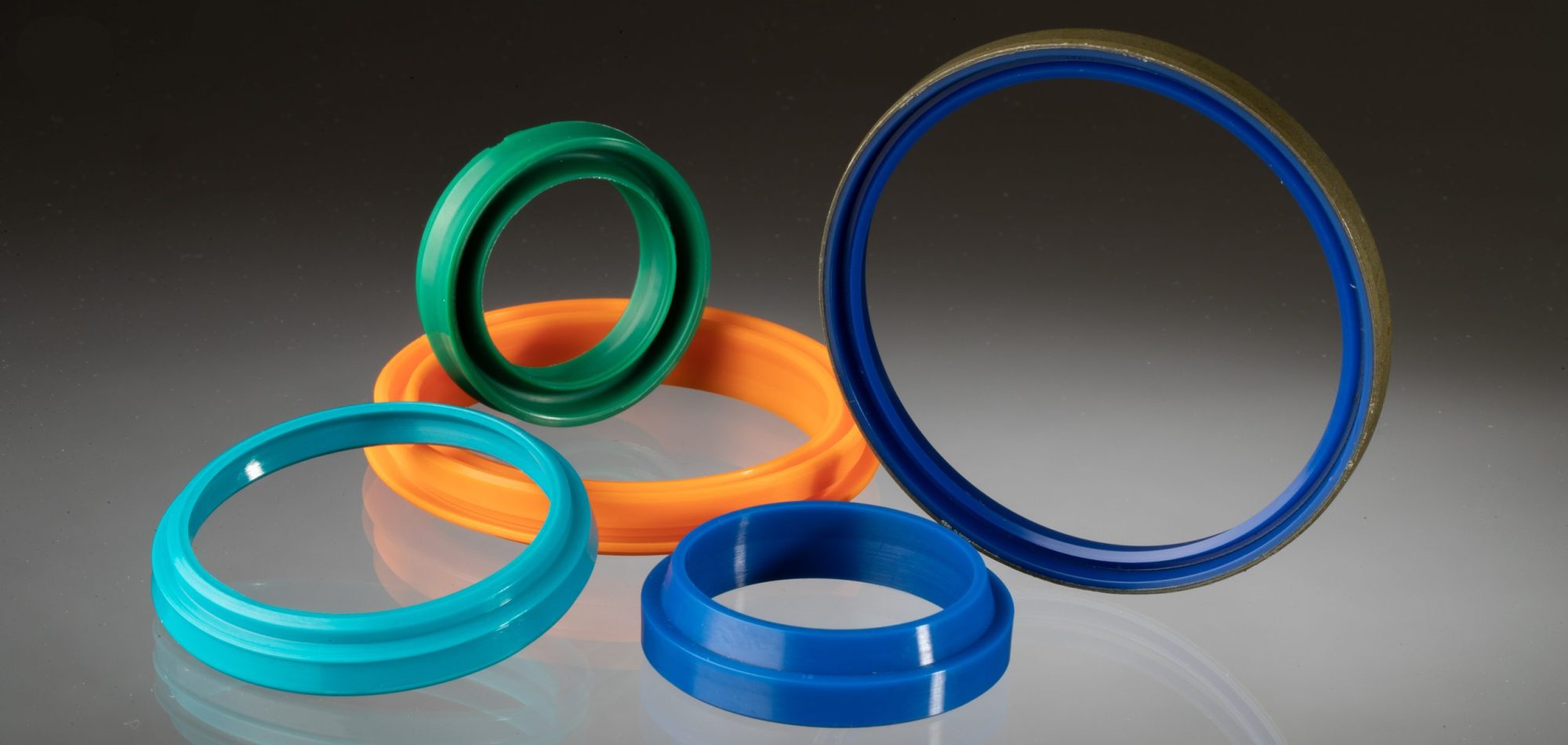
Whatever the duty cycle — mobile equipment, presses, moulding machines or telescopic applications — we stock or manufacture the profiles you need.